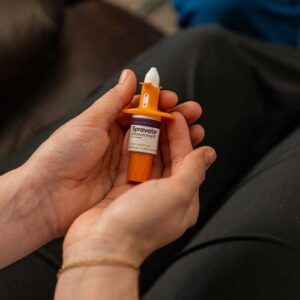
Medically supervised Niagen IV therapy delivers pharmaceutical-grade nicotinamide riboside directly into the bloodstream, bypassing the gut degradation and liver metabolism that limit oral supplements. For Manhattan professionals experiencing persistent brain fog and emotional exhaustion, this precision delivery method — paired with psychiatric screening and integration support — offers a data-backed pathway to restoring cognitive clarity through superior bioavailability, faster infusion times, and improved tolerability compared to oral alternatives.
Beyond burnout: why cognitive clarity requires a cellular approach
Brain fog and emotional exhaustion often signal cellular energy deficits, not just stress or overwork. Living with persistent brain fog can feel isolating, especially when rest and wellness routines no longer restore your mental sharpness. You may notice that extra sleep doesn’t help, that meditation feels impossible to sustain, or that even simple decisions require unusual effort.
NAD+ depletion accelerates with chronic burnout and aging, creating a foundation for cognitive decline. When your cells lack sufficient NAD+, they cannot efficiently produce energy, repair DNA, or respond to stress. Mitochondria — the energy-producing structures inside your cells — struggle to generate ATP, the molecule that powers nearly every cellular process. This energy deficit cascades through systems that support brain function, manifesting as difficulty concentrating, memory lapses, and the persistent sense that your mind is moving through fog.
Niagen (NR) IV therapy , an NAD+ precursor infusion available in New York, addresses this cellular deficit through pharmaceutical-grade support. For a comprehensive overview of how NR works, its clinical evidence, and what to expect during treatment, see our definitive guide to Niagen NR therapy .
When paired with IV ketamine — a medically supervised intravenous infusion of ketamine that creates temporary dissociation (detachment from the immediate environment) — NR therapy creates compounding benefits. Ketamine therapy opens a window of enhanced neuroplasticity (the brain’s ability to form new neural connections), a period when your brain adapts more readily. During this window, the cellular repair supported by Niagen IV can take hold more effectively, creating sustained improvements in both mood and cognitive function.
Integration — the process of processing and applying insights from treatment — amplifies lasting change beyond the infusion session itself. At Nushama, integration support helps you translate biological shifts into concrete changes in daily life.
The NAD+ depletion-mood connection: how declining levels impact cognition
NAD+ depletion directly drives cognitive decline, memory impairment, and persistent fatigue through measurable biochemical pathways. NAD+ (nicotinamide adenine dinucleotide) is a coenzyme that participates in more than 500 biochemical reactions essential for cellular function. Every cell in your body relies on NAD+ to convert nutrients into usable energy, repair damaged DNA, and maintain the systems that keep you functioning.
Emerging evidence links NAD+ depletion to cognitive decline in preclinical models. The connection between NAD+ and mood becomes particularly clear in people experiencing chronic stress. Burnout specifically impacts executive function , attention, and memory in working professionals. When you operate under sustained pressure, your cells burn through NAD+ faster than they can replenish it. This accelerated depletion creates a biological foundation for the cognitive symptoms often attributed to psychological stress alone.
Research suggests NAD+ levels may decline substantially with age — preclinical studies in mice show approximately 50% reductions in key tissues ( Camacho-Pereira et al., 2016 ), and human skin tissue studies indicate a similar magnitude of decline during middle age ( Massudi et al., 2012 ), though the exact rate and extent of decline across human tissues is still being characterized. Environmental factors further deplete NAD+ stores: poor sleep disrupts NAD+ production pathways, alcohol consumption requires NAD+ for metabolism, and inflammation diverts NAD+ toward repair processes. Restoring NAD+ may support mental sharpness and mood stability by addressing this root cellular deficit, not just managing symptoms.
Niagen IV vs. oral NR supplements: why delivery method matters
The core promise of oral NR supplements — take a capsule, boost your NAD+ — sounds straightforward. The biology is more complicated. Understanding why delivery method matters helps Manhattan professionals make informed decisions about cognitive support.
Why oral NR supplements fall short
Oral nicotinamide riboside faces significant hurdles before reaching your bloodstream. When you swallow an NR capsule, the compound must survive stomach acid, absorption across the intestinal wall, and breakdown in the liver before reaching the rest of your body.
Research demonstrates highly variable bioavailability with oral NR supplementation. Much of the NR converts to NAM (nicotinamide) in the gut and liver, reducing the amount available for cellular NAD+ production. Individual factors create unpredictable absorption patterns — gut health, medications, meal timing, and genetic variations all influence how much oral NR becomes bioavailable. You might take 300 mg daily but experience only a fraction of the expected benefit.
The IV advantage: bypassing digestive barriers
Intravenous delivery bypasses digestive breakdown entirely, placing pharmaceutical-grade nicotinamide riboside directly into circulation. Niagen IV requires just 15 to 30 minutes — a 75% shorter infusion time compared to traditional NAD+ IV — that fits easily into busy professional schedules.
Beyond convenience, Niagen IV demonstrates superior efficacy. Pilot data shows it achieves a 20% higher NAD+ boost at the 3-hour mark compared to traditional NAD+ IV infusions. This enhanced response suggests that NR may be a more efficient NAD+ precursor when delivered intravenously.
Tolerability represents another key advantage. NAD+ IV infusions frequently cause uncomfortable side effects during administration, including headaches, nausea, flushing, and digestive distress. Many people describe a burning sensation along the vein. In contrast, clinical observations with Niagen IV report fewer adverse experiences, with no attributable headaches, nausea, or GI distress in pilot studies.
The pharmaceutical-grade formulation ensures consistent potency across sessions, eliminating the batch-to-batch variability that sometimes affects compounded formulations.
Medical intake and screening: ensuring safe, targeted treatment
Medical intake and screening ensure safe, targeted treatment by reviewing your full health history, current medications, and mental health status to confirm clinical appropriateness. At Nushama, this assessment differentiates between primary cognitive decline and underlying mood disorders that may mimic brain fog. Depression, anxiety, and certain trauma responses create cognitive symptoms that overlap with NAD+ depletion — difficulty concentrating, mental fatigue, impaired memory. Identifying these conditions ensures NR therapy is targeted to people who will benefit most.
Pre-treatment testing may include bloodwork to assess kidney and liver function, blood pressure monitoring, and electrocardiogram (EKG) when clinically indicated. Certain medical conditions may be contraindicated for IV therapies. Consultation with a licensed clinician is recommended before beginning treatment to review your complete health picture.
Combining Niagen IV with ketamine-assisted therapy: brain adaptability and cellular repair
Nushama’s medically supervised dual approach creates sustained cognitive benefits by addressing both brain connectivity and cellular energy systems. Ketamine creates a period of enhanced neuroplasticity where your brain forms new neural connections more readily. Rigid thought patterns associated with depression, anxiety, or trauma become temporarily more flexible, allowing new perspectives and behavioral patterns to take root.
Niagen IV therapy, often administered immediately following ketamine infusion, provides the cellular energy infrastructure needed to support and sustain this neural repair. Brain adaptability requires substantial energy resources. Building new connections, producing chemical messengers, and supporting cells that nourish neurons all demand ATP — the energy currency your cells produce through NAD+-dependent pathways.
When NAD+ levels are depleted, your brain cannot fully capitalize on this window of adaptability. By delivering Niagen IV during this critical period, Nushama ensures your brain has the capacity to translate enhanced flexibility into lasting structural change.
The combined benefits include mood stabilization, long-term cellular repair, improved energy and focus, and enhanced cognitive resilience. This integrated model addresses both brain connectivity (ketamine) and cellular health (NR) — a framework built on psychiatric screening, medical monitoring, and preparation and integration support that isolated infusion services cannot replicate.
Preparation sessions help you set intentions and understand what to expect. Integration sessions afterward support processing insights and translating biological changes into concrete life adjustments. The precision and control of medical supervision matter profoundly when combining treatments — dosing is individually adjusted based on your response, and continuous monitoring during infusions ensures safety.
Frequently asked questions about Niagen IV therapy for cognitive support
Niagen IV offers a 75% shorter infusion time (15 to 30 minutes vs. 2-3 hours), better tolerability with fewer side effects, and achieves a 20% higher NAD+ boost at the 3-hour mark compared to traditional NAD+ IV infusions.
Can this be combined with ketamine treatment?
Yes, Niagen IV is often administered immediately following ketamine infusions to support mood stabilization, long-term cellular repair, and improved energy during the window of enhanced brain adaptability.
How soon might I notice results?
Many members report improved energy, mental clarity, and reduced brain fog after twice-weekly infusions for three weeks — the standard loading phase protocol.
Is Niagen IV safe?
Clinical studies report no attributable adverse events through 14-day follow-up periods and no clinically meaningful changes in blood chemistry markers. However, certain medical conditions may be contraindicated; consultation with a clinician is recommended.
Who is a good candidate for NR therapy cognitive support in NYC?
Manhattan professionals experiencing persistent brain fog, emotional exhaustion, or treatment-resistant fatigue despite adequate rest and wellness practices may benefit. Ideal candidates have completed medical intake and psychiatric screening to confirm primary cognitive decline rather than unaddressed mood disorders.
Restoring clarity with medically supervised cellular support
Medically supervised Niagen IV therapy restores cognitive clarity by delivering pharmaceutical-grade NAD+ precursors that address cellular energy deficits at their source. The direct intravenous route ensures consistent dosing and predictable NAD+ elevation, bypassing the absorption barriers that limit oral supplements.
Medical intake and psychiatric screening ensure safety and identify who will benefit most from treatment. This assessment distinguishes primary cognitive decline from mood disorders that mimic brain fog, allowing for appropriate, targeted intervention rather than one-size-fits-all protocols.
Combining NR therapy with IV ketamine creates compounding benefits for mood and cognition by addressing both brain adaptability and cellular energy repair within a medically supervised framework. The window of enhanced brain flexibility opened by ketamine provides capacity for neural adaptation, while Niagen IV supplies the resources needed to sustain these changes.
For Manhattan professionals seeking data-backed approaches to brain fog and burnout, Nushama offers Niagen IV therapy and ketamine-assisted treatment within a framework of clinical oversight, trauma-informed care, and evidence-based protocols. Speak with our care team to explore how medically supervised NR therapy can support your cognitive recovery.